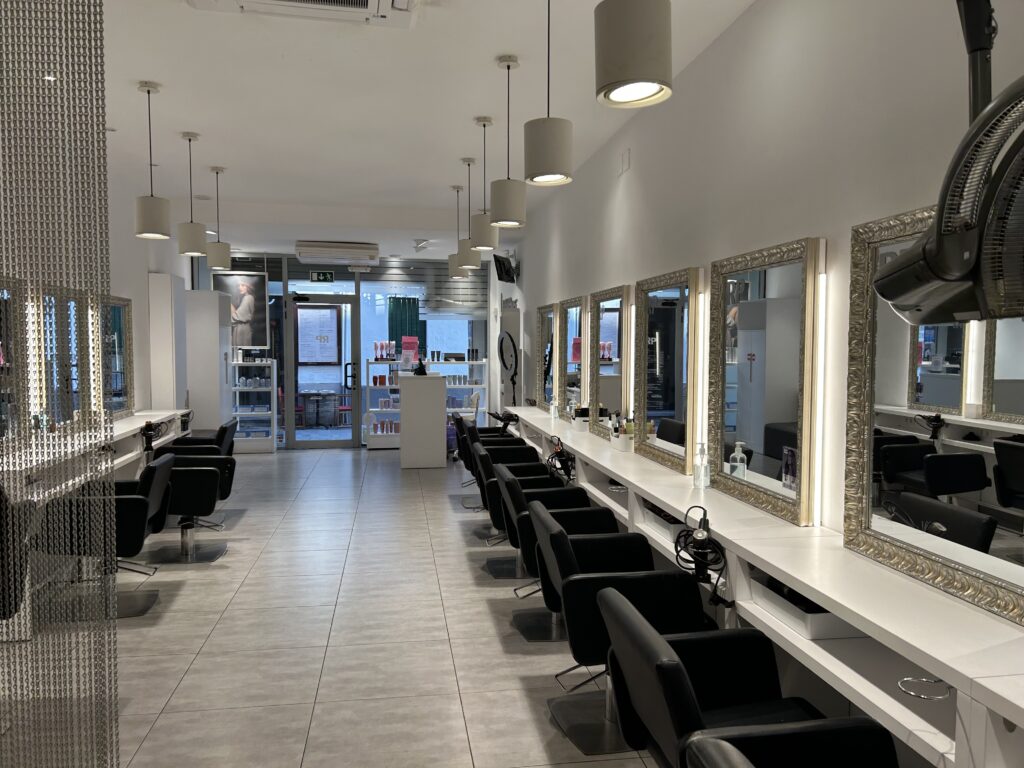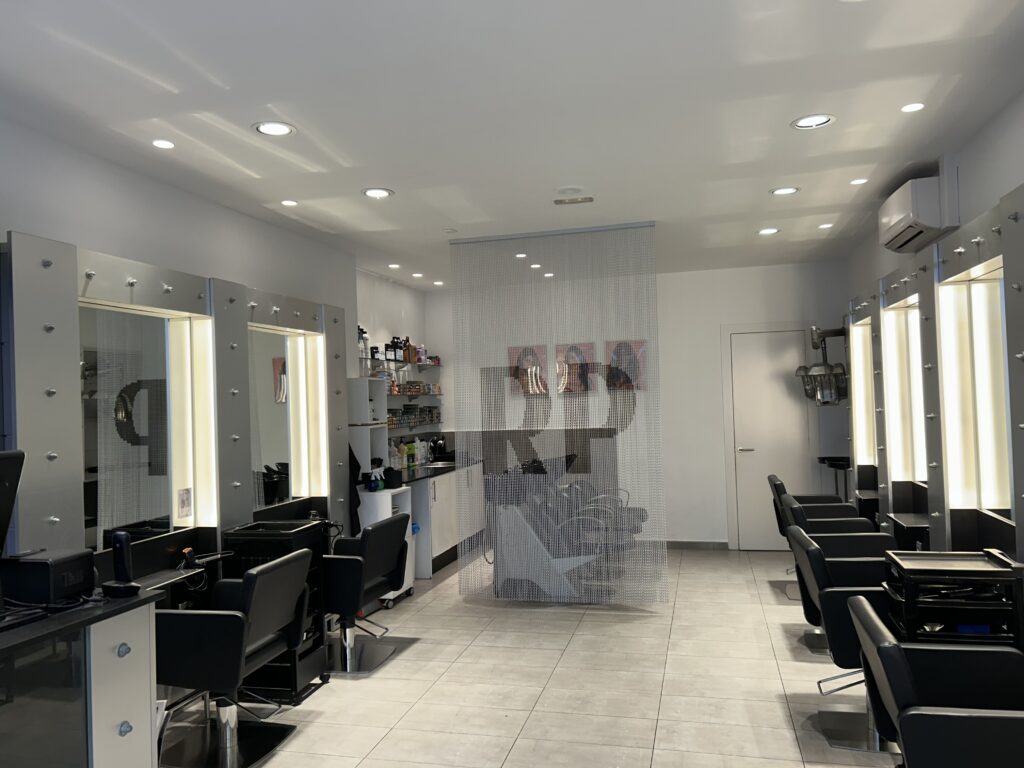



Choosing the right highlighting technique to blend gray hair isn’t just about following a trend. It comes down to three things most guides never address together: how much gray you already have, your natural base color, and — if you live near the coast or spend your summers there — how sun and salt water are going to treat that color over the following months. At Raffel Pages Sitges we see it every week in the salon: the same technique doesn’t work the same way on two clients with the same percentage of gray if one lives steps from the beach and the other barely spends time outdoors.
Why highlights beat traditional dye for covering gray
Permanent dye covers gray at one hundred percent, but it demands a root touch-up every three or four weeks and leaves a very visible line as soon as the hair grows out. Highlights, on the other hand, work with the gray instead of against it: they blend it with lighter or darker reflections until it becomes impossible to tell where the natural hair ends and the color begins.
That technical difference has a very concrete practical consequence: fewer salon visits per year and a root regrowth that, done well, stays unnoticeable for weeks. In our more than 25 years in Sitges we’ve watched more and more clients trade root dye for highlights for exactly that reason — not to follow a trend, but to get their time back.
Which highlighting technique to choose based on your percentage of gray

Here’s the most common mistake: applying the same technique to 15% of emerging gray as to a head of hair that’s already more than half white. The result — and the maintenance it requires — changes completely depending on where you are in the transition.
Early gray (under 20%)
When the first grays start showing up, especially at the temples and part line, babylights are the most discreet option. These are very fine highlights, placed close to the root, that mimic natural sun-lightening and dilute those first stray grays without touching the rest of the hair. The contrast is so subtle that many clients don’t even realize they have highlights — they just notice their hair “looks more alive.”
Moderate gray (between 20% and 50%)
At this stage, when gray starts clustering into visible sections, balayage or grey blending deliver better results than babylights alone. Balayage creates a broad, graduated transition that absorbs those gray patches into a wider play of light, while grey blending applies ash blonde or platinum tones directly over the graying areas so they melt into the rest of the hair without a visible color jump.
Extensive gray or near-white hair
Once gray is already the majority, trying to fully disguise it usually looks forced. The technique that works best here is reverse balayage, which lightens the root in cool tones and slightly darkens the ends, creating regrowth so gradual it’s barely noticeable between touch-ups. At this stage, many clients choose to work with the gray rather than hide it completely, and reverse balayage does exactly that: it integrates it with style instead of covering it up.
The right tone for your base color
Picking the right technique is only half the job. The other half is getting the tone right, because the wrong reflection can end up highlighting the gray instead of disguising it.
- Dark hair: caramel, honey or light hazel tones soften the sharp contrast between black and white gray, adding warmth without over-lightening.
- Brown/brunette hair: golden, soft copper and beige tones blend into the base without creating color jumps, and need the least maintenance.
- Blonde hair: ash, platinum or champagne tones are the most flattering, since the gray is already close to the base color and barely needs lightening to blend in.
Our team of colorists, trained in Kerastase, Redken and L’Oréal Professionnel techniques, always runs a diagnosis of the hair and skin first, because the same balayage tone can look stunning on one client and wash out another’s complexion depending on their skin undertone.
The factor most guides never mention: living and styling your hair by the sea
Sitges is a beach town, and that changes the rules for any coloring technique. The sun fades lighter highlights unevenly, salt water dries out the hair fiber, and pool chlorine can turn cool tones a shade of unwanted yellow within a matter of weeks. None of these variables show up in general guides about gray hair, but in a salon steps from the beach like ours, they’re part of daily life.
When we work with clients who live near the water, we factor in how the color is going to age between appointments: ash and platinum tones need more frequent toning in summer, while warm reflections like caramel or honey hold up better under sun exposure without shifting color. This doesn’t change the technique itself, but it does change the maintenance schedule you need to plan for from day one.
How often you need to touch up your highlights
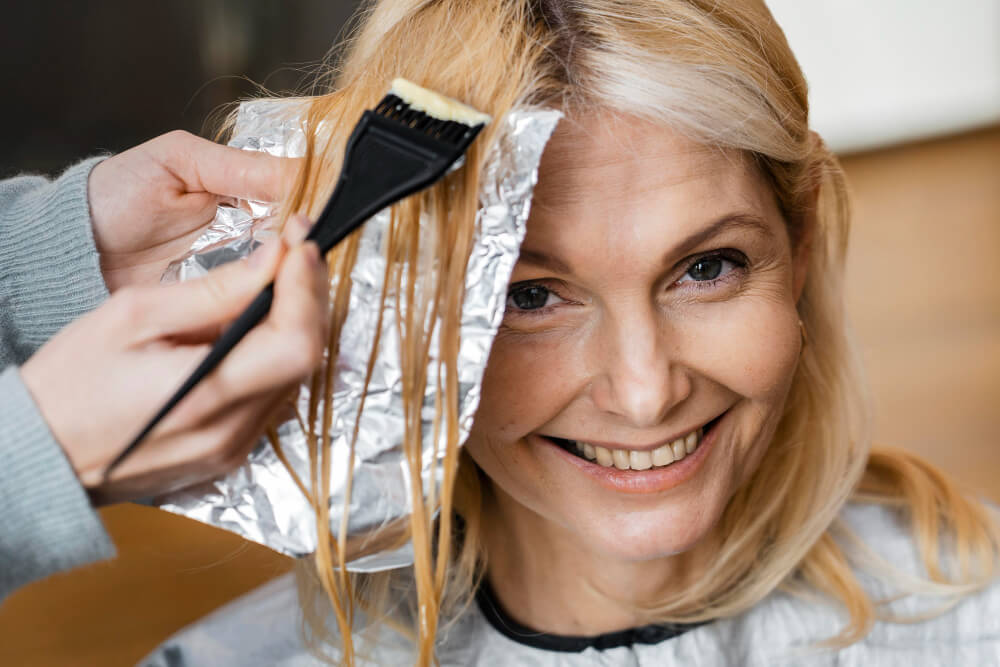
Touch-up frequency depends directly on the technique you choose, and it’s worth knowing before you commit to one.
Classic balayage requires the least maintenance: since it isn’t applied right at the root, the regrowth is almost invisible and can last three to five months before needing a full touch-up. Babylights, since they’re worked closer to the scalp, usually call for a check-in every two to three months, though that window stretches out with tones very close to the natural color. Grey blending and combinations with cool tones also need toning every four to six weeks with a specific shampoo or mask, precisely to avoid the yellowing effect mentioned earlier.
At Raffel Pages Sitges we always recommend mapping out this schedule at the first consultation, not discovering it along the way: knowing upfront whether your technique calls for a visit every six weeks or every four months is what separates a color that stays flawless all year from one that gets abandoned halfway through.
There’s no single “ideal” highlight for blending gray hair — there’s the technique that matches your percentage of gray, your base color and your lifestyle. If you’d like a colorist to assess your specific case before deciding between balayage, babylights or grey blending, our salons in Sitges offer that personalized diagnosis at every first visit, no strings attached.