

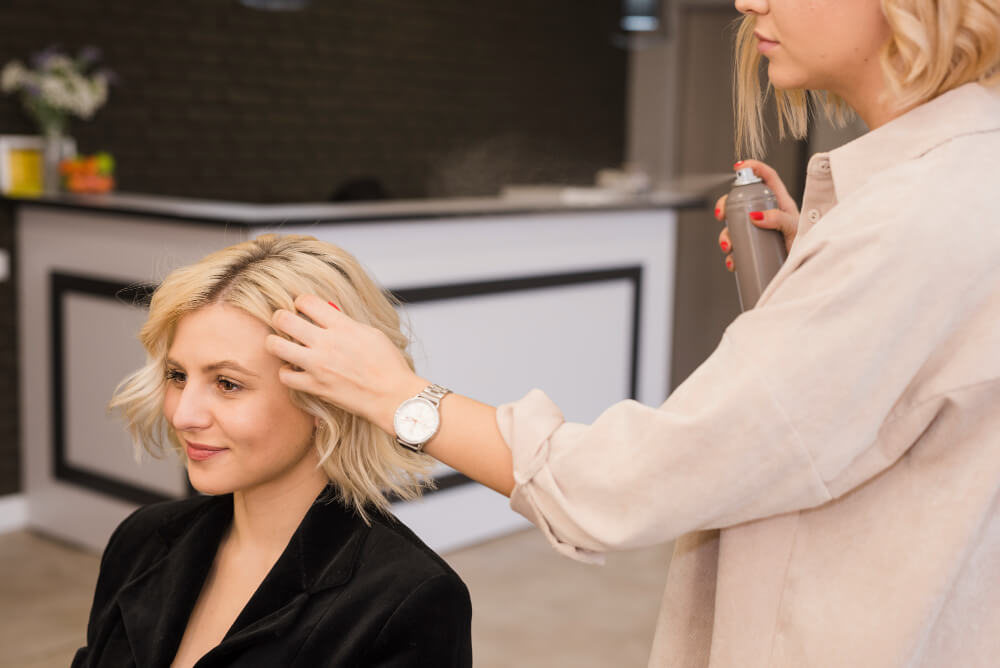
At-home hair botox and salon hair botox share a name and make the same promises, but they are not the same treatment. The concentration of actives, the prior diagnosis, the application technique and the heat used to seal it are all different, and that is why one leaves your hair looking nice for a few days while the other can change how it behaves for weeks. Here we explain where those differences come from, when a home kit is enough and when a salon treatment is worth it.
The short answer: professional hair botox repairs the fibre more deeply and for longer, because it uses more concentrated formulas and an application tailored to your hair type. The at-home version works well as maintenance or as an occasional intensive mask, but it is no substitute for a professional treatment on very damaged, bleached or frizzy hair.
What hair botox is (and what it isn’t)

Despite the name, hair botox contains no botulinum toxin and is not injected. It is a repairing treatment applied to the hair that fills the porous areas of the fibre with a blend of actives: amino acids, collagen, hyaluronic acid, vitamins and nourishing oils. It is called “botox” because of its plumping effect: hair looks denser, feels smoother and shines more.
One thing many people get wrong: hair botox is not a straightening treatment. At Raffel Pages we approach it as a treatment to improve the health, shine and softness of your hair without changing its natural shape, so curls and waves stay intact. If what you want is to remove volume or straighten your hair, the right treatment is a different one, such as keratin straightening.
The 5 real differences between professional and at-home hair botox
Most comparisons stop at “the professional one lasts longer”. That is true, but it doesn’t explain why. These are the differences that actually change the result:
| Aspect | Professional hair botox | At-home hair botox |
|---|---|---|
| Concentration of actives | High, with professional-use formulas | Lower, designed for unsupervised use |
| Prior diagnosis | Yes: porosity, damage, previous chemical work | No: one formula for everyone |
| Preparation | Technical shampoo that opens the cuticle | Regular shampoo in most cases |
| Heat sealing | Controlled temperature and passes, section by section | Optional or improvised, with a risk of burning the hair |
| Approximate longevity | Around a month, depending on hair and aftercare | From a few days to a couple of weeks |
The difference that matters most is the prior diagnosis. Fine, porous hair needs a different amount of product and a different processing time from thick, coloured hair. Use too much and you end up with flat hair that’s greasy at the roots; use too little and the effect is gone by the second wash. At home nobody assesses this, which is why so many kits seem “not to work”.
The second factor is heat sealing. Much of the lasting effect depends on locking the product into the fibre with a flat iron, at the right temperature and with the right technique for each hair type. At home it’s easy to overdo the heat or pass over the same section too many times, and on already sensitised hair that can cause the exact opposite of what you wanted: dry, brittle ends.
Why longevity varies so much (and why to be wary of promises of months)
You’ll find websites claiming effects that last three, four or even six months. In practice, longevity depends more on your hair and how you look after it than on the product. In our salon we estimate that a professional hair botox lasts around a month, and it can last longer with good care. With home kits, the effect is usually most noticeable during the first few washes.
The things that shorten the effect most are sulphate shampoos, daily heat (blow dryer and flat iron without protection) and, something we know well in Sitges, the combination of sun, salt water and chlorine. If you go to the beach or the pool often, the treatment wears off sooner, whether professional or at-home. That’s why it makes more sense to schedule a botox before and after summer than to do it in July and expect it to last the whole season.
Formaldehyde: what to check on the label
This is the main risk of buying hair botox online. The “botox” name is used for very different products, from repairing masks to straightening treatments that actually work like a chemical straightener. Some contain formaldehyde or substances that release it when heated with a flat iron, and the fumes can irritate the eyes, airways and scalp.
In the European Union, formaldehyde is not permitted as an ingredient in cosmetics, but imported products with unclear labelling circulate in online shops and marketplaces. Other formaldehyde-free straighteners use glyoxylic acid, an active that also calls for caution: clinical cases of kidney injury linked to straighteners containing it have been published. Before using hair botox at home, check the ingredient list and be wary if:
- The product promises “total straightening” or a dramatic “smoothing” effect after a single application.
- It asks you to iron at more than 200 °C or to do many passes per section.
- It doesn’t name a European manufacturer or show the full INCI list.
- It gives off a strong smell or makes your eyes water when heated.
In a professional salon, the team takes care of this. At Raffel Pages we’ve been working since 1998 with recognised brands such as Kérastase, L’Oréal Professionnel and Redken, and we avoid formulas containing formaldehyde. For you, that means knowing exactly what goes on your hair.
When at-home hair botox makes sense
It wouldn’t be honest to say the at-home format is useless. It works well as maintenance between professional sessions, or on hair that is only a little dry and dull, without bleaching or significant chemical damage. In those cases, a good botox-style mask applied every two or three weeks can add shine and softness.
To get the most out of it safely, apply it to clean, towel-dried hair from mid-lengths to ends, respect the manufacturer’s processing time and rinse thoroughly. If the product doesn’t require a flat iron, don’t improvise a heat seal. What a home kit won’t do is fix heavily bleached, porous or breaking hair: there, the fibre needs a concentration of actives and a protocol that can only be adjusted in the salon.
When it’s better to go to the salon
Professional hair botox is the best option if your hair has been through highlights, balayage, bleaching or frequent colouring, if you have frizz that masks can’t control, or if you have curly hair and want definition without losing its shape. It’s also the way to go if you’ve tried home kits and the result was uneven or left your hair heavy.
Another often-overlooked advantage is that in the salon botox can be combined with other services in the right order. For example, it’s advisable to wait around two weeks between botox and colouring, or to do the colour first and the repairing treatment afterwards. That timing is easy to plan with your stylist and hard to get right on your own. You can see how we approach our hair botox treatment at our Sitges salon.
How to care for your hair after botox so it lasts longer
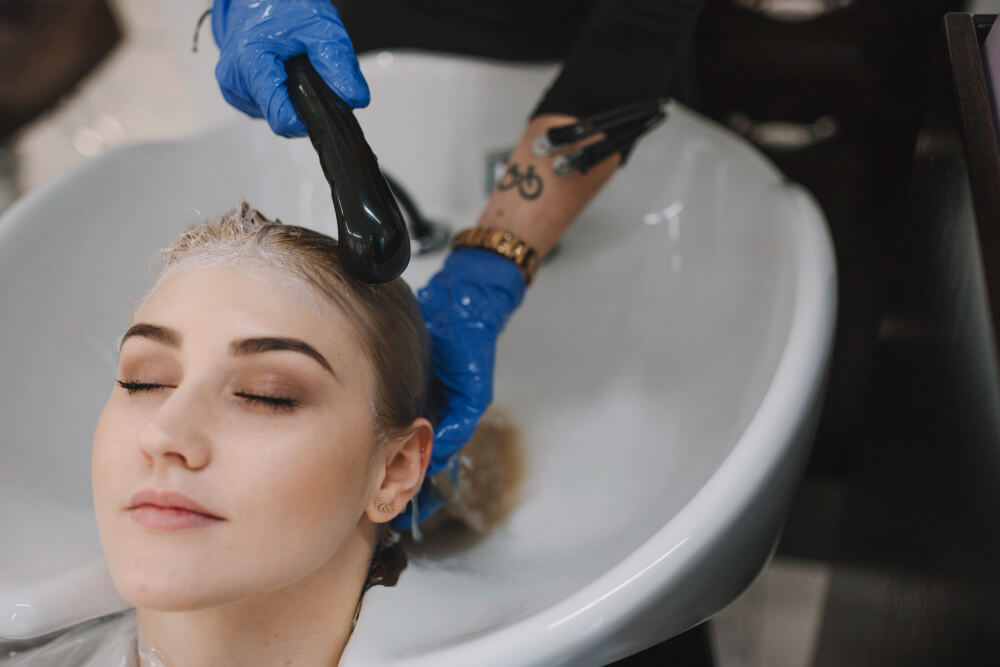
Whichever option you choose, aftercare determines a large part of the result. The basics are few but important:
- Use a sulphate-free shampoo and, if you can, space out your washes a little.
- Always apply heat protection and lower the temperature of your blow dryer and flat iron.
- At the beach or pool, wet your hair with fresh water before swimming and rinse it afterwards.
- Wait about 15 days before colouring or getting highlights.
Many of these habits also apply to similar treatments. If you’ve ever had a keratin treatment, it’s worth reviewing the most common mistakes after a keratin treatment, because several of them are repeated with botox.
Frequently asked questions about hair botox
Does hair botox straighten hair?
A repairing hair botox doesn’t straighten: it reduces frizz and adds shine without removing curls or waves. If a product promises complete straightening, it’s probably a chemical straightener under another name.
How long does professional hair botox last?
Usually around a month, depending on your hair type, previous damage and home care. Sun, chlorine and sulphate shampoos shorten it.
Can you get hair botox on coloured or highlighted hair?
Yes, and in fact it’s one of the hair types that benefits most. Ideally, do the colour first and the botox afterwards, or leave about two weeks between the two services.
How often can it be repeated?
Professional botox is usually repeated when the effect starts to fade, roughly every month to month and a half. At-home maintenance masks can be used every two or three weeks between sessions.
What’s the difference between hair botox and keratin?
Botox repairs and nourishes without changing the shape of your hair. Keratin straightens and tames hair for several months. They are treatments with different goals and shouldn’t be chosen on price alone.
If you’re torn between trying a home kit and giving your hair a professional treatment, the most useful first step is a diagnosis: finding out how damaged the fibre is and what it really needs. At Raffel Pages, in the centre of Sitges, we assess your hair before recommending anything and help you choose the treatment that suits your hair and your routine. You can check our hairdressing and treatment prices and book your appointment via WhatsApp or on our website.