

A hair system (also called a hair replacement system) is a custom aesthetic solution to restore density, shape, and confidence when hair has thinned or when there are visible areas of loss. The key is knowing when it truly makes sense (and when it doesn’t), because it’s not “just a wig”: it’s tailored to your scalp, lifestyle, and pattern of loss so the result looks natural and stays secure.
What a hair system is (and how it’s different from a wig)
A hair system is made of hair (natural or technical fiber) integrated onto a base designed to mimic the scalp and fit your head—or a specific area—precisely. Unlike many standard wigs, it’s built around real customization: density, hair direction, front hairline, color matching, measurements, and the best attachment method for your routine.
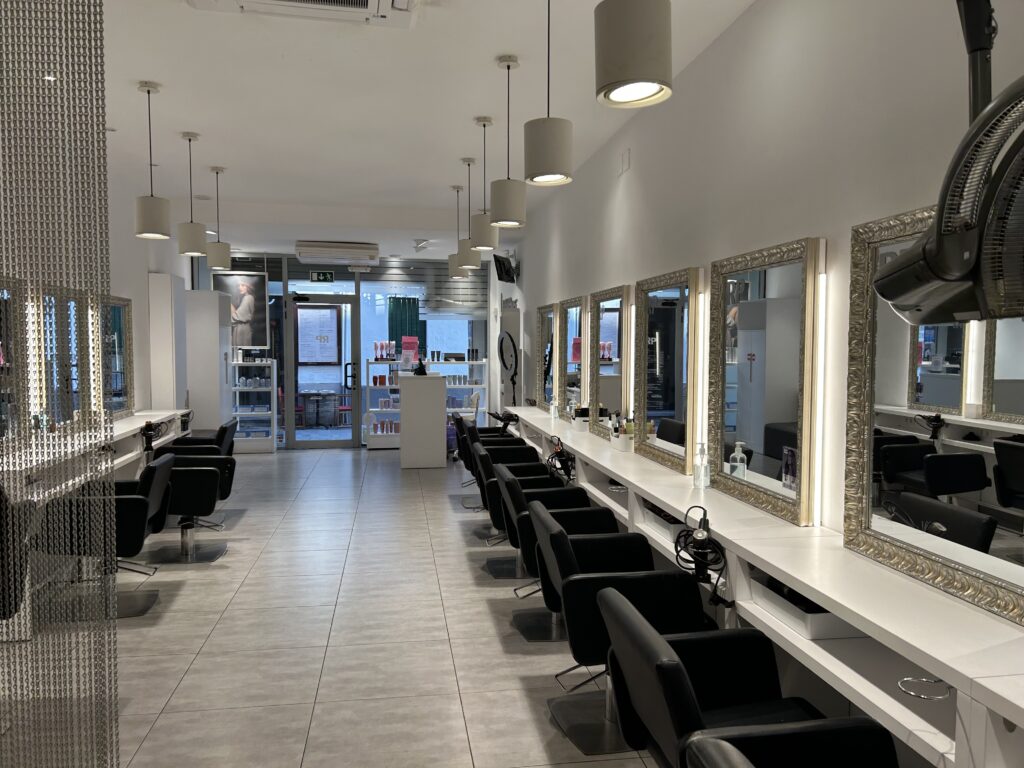
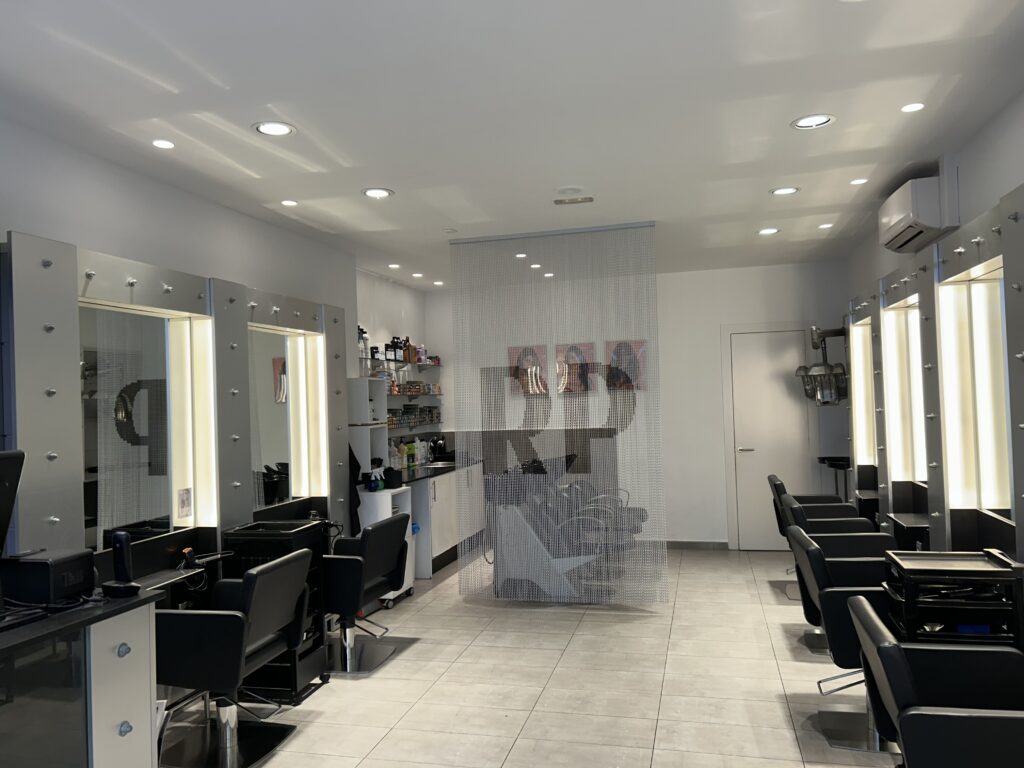
In our case, at Raffel Pages Sitges we treat it as a complete salon service: it’s not only about fitting the piece, but also shaping the final look with a cut, texture, and finish so the system blends into your style and doesn’t “give itself away” through movement, shine, or volume.
- Wig: often standard, designed to put on and take off, with fewer fine adjustments.
- Hair system: can be partial or full, with a custom base and attachment methods aimed at stability and natural realism.
Choosing one or the other isn’t about “better or worse”; it’s about goals, comfort, and day-to-day habits.
Who a hair system is recommended for
Hair systems are recommended for people who want a natural-looking, fast result without invasive procedures, or who need to cover specific areas. They’re especially suitable when the priority is immediate aesthetic improvement and keeping a consistent look day to day.
With our clients, we often see this choice in people who want to keep life moving normally (work, events, sports) and prefer a solution that, when planned properly, delivers confidence and continuity without relying on “cover-up” hairstyles or camouflage products.
Common situations where it works exceptionally well
There are scenarios where a hair system becomes the most logical choice because of the speed and control it offers. The most common include:
- Androgenetic alopecia (progressive thinning) when a haircut or styling changes are no longer enough.
- Alopecia areata (patches) when the goal is targeted coverage with a partial system.
- Shedding related to stress, postpartum changes, or hormones (when density takes time to return and confidence takes a hit).
- Hair loss associated with medical treatments: in these cases, it’s best to align timing and scalp sensitivity with healthcare guidance.
- People who don’t want surgery or aren’t candidates for certain treatments for personal reasons.
Ultimately, the right decision depends on scalp condition, expectations, and lifestyle.
When it’s the best option compared to other solutions
A hair system is often the best option when you need an immediate change, want precise control over the outcome (hairline, density, shape), and prefer something reversible. It also fits well if you want to avoid long processes, uncertainty, or a visually awkward transition period.
At Raffel Pages Sitges we often recommend it when someone tells us, “I want to look good now, not in a few months,” or “I want to test a fuller look before committing to another path.” That ability to try, refine, and evolve over time is a major advantage.
| Option | Best fit when… | One thing to keep in mind |
|---|---|---|
| Hair system | Immediate result, high control over the look, partial or extensive loss | Requires regular maintenance and base care |
| Wig | Occasional wear, you need to put on/take off easily | Less customization; can shift or look less seamless |
| Cosmetic/aesthetic treatments | Mild thinning or early stages, improving hair quality | Gradual, variable results depending on the case |
| Hair transplant | You have a suitable donor area and accept the process | Not immediate and requires medical evaluation |
If your priority is a fast, natural-looking change with full aesthetic control, a hair system often offers the best impact-to-time ratio.
Clear signs a hair system could be right for you
Beyond any diagnosis, there are practical indicators. If several of these feel familiar, you may be close to the right choice:
- You care about your appearance daily and want consistency (not “good days and bad days”).
- Hair loss already affects hairstyles, photos, or social plans, and you want to feel like yourself again.
- You prefer a reversible option you can adjust over time.
- You want a natural finish (hairline, movement) and you’re willing to follow a maintenance routine.
When motivation is steady and expectations are realistic, results are usually extremely satisfying.
Types of hair systems: how to choose without overthinking
There isn’t one “best” hair system for everyone. There’s the one that fits your situation: the area to cover, skin sensitivity, sports, climate, hours of wear, and personal style. Choosing well is a mix of technical guidance and common sense.
With our clients, we prefer to decide based on real-life habits: do you work out often, sweat a lot, wear fringe, want an ultra-natural front hairline… That approach avoids impulse decisions and improves comfort and longevity.
By coverage: partial vs. full
The difference is simple: partial systems cover specific areas (crown, temples, patches), while full systems cover the entire head. The best choice depends on the extent of loss and the aesthetic goal.
- Partial: ideal if you still have enough hair to integrate with a cut and color.
- Full: designed for broader loss or when you want complete uniformity.
A great cut and a well-managed transition are what create a truly undetectable result.
By base: realism, breathability, and durability
Bases vary in look and performance (breathability, skin feel, resilience). What matters is matching the base to your routine: whether you want maximum realism at the hairline, prioritize durability, or need lightness for sensitive skin.
In the salon we typically balance three factors: scalp realism, day-to-day stability, and ease of upkeep. That way, the system fits your life—rather than your life revolving around the system.
Maintenance: what people don’t mention (and what really matters)
A hair system works best when it’s cared for properly. You don’t need to obsess over it, but you do need a minimum routine to maintain realism and secure attachment. Maintenance isn’t a downside; it’s how the system looks better week after week.
At Raffel Pages Sitges we set maintenance schedules that make sense, because most problems aren’t the system—they’re an unrealistic routine. The goal is a simple plan that fits your life.
Basic at-home care
These habits are the difference between a system that stays “perfect” and one that ages too quickly:
- Wash with gentle products and focus on preventing tangles (working in sections helps).
- Dry without harsh heat and use heat styling moderately to keep a natural shine.
- Brush correctly to avoid pulling on the base and preserve hair direction.
- Protect against sun, chlorine, and salt if you’re exposed frequently.
When the routine is right, the system stays beautiful and stable for longer.
When salon maintenance is worth it
Professional maintenance typically includes base cleaning, attachment checks, perimeter adjustments, and an integration cut to keep the look current. It’s especially useful if you want a consistently clean hairline and balanced density.
A simple rule: if you notice changes in comfort, hold, or finish, it’s better to check early before the system deteriorates. Prevention is usually more comfortable and more cost-effective than fixing issues later.
The adaptation process: from first appointment to “it’s mine”
The process can be very smooth when it’s done methodically. Ideally, you start with an assessment to define the coverage area, style, and system type—then an adaptation appointment with fitting, cutting, and fine adjustments. The goal is a result that feels like you, not like something borrowed.
With our clients in Sitges, we pay attention to the emotional side as well: the first day matters, but what matters just as much is that two weeks later you still feel it looks natural. That’s why, beyond fitting, we refine density, texture, and contours to achieve a credible look up close and in motion.
- Assessment: type of hair loss, skin sensitivity, habits, image goals.
- System selection: base, density, color, and direction.
- Fitting and haircut: integrated style without excessive volume.
- Maintenance plan: a realistic schedule and care guidelines.
When it’s done this way, the system stops feeling “external” and becomes part of your routine.
Frequently asked questions before deciding
Will it look obvious?
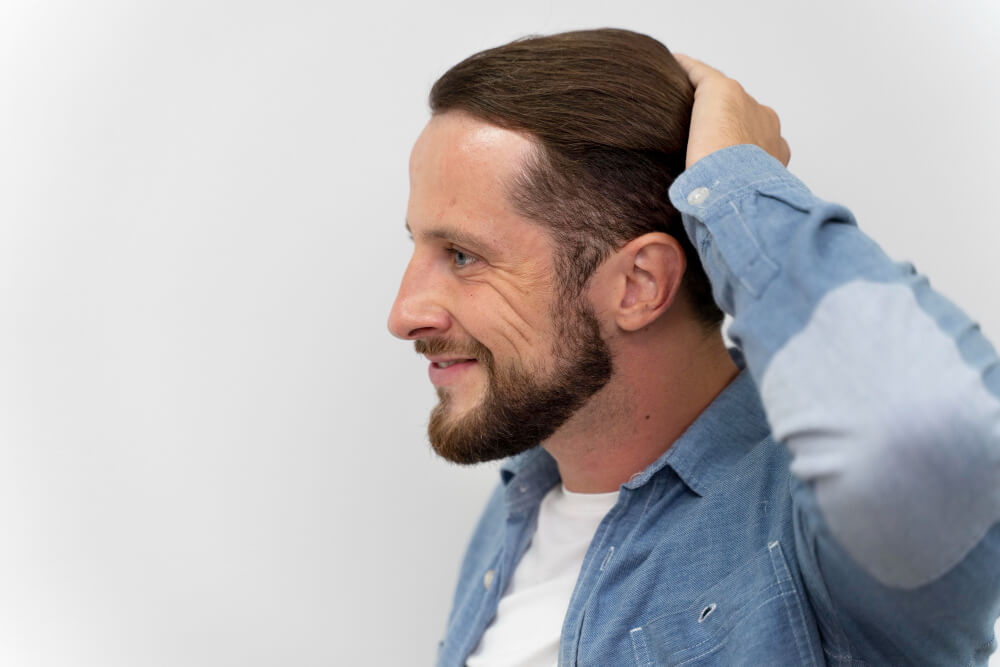
If it’s well chosen and properly cut in, it typically looks like real hair. The key is the hairline, density, and haircut. The biggest giveaway is usually excessive volume or a mismatched tone.
Can I work out or go to the beach?
In most cases, yes—but it’s smart to choose the base and attachment based on your activity and plan care around salt, chlorine, and sun exposure. The difference comes from a system designed for your lifestyle, not a generic one.
How long does a hair system last?
It depends on materials, wear, maintenance, and habits. What matters is understanding that longevity improves with a consistent routine and timely check-ups.
Is it for men and women?
Yes. The design changes (density, hairline, style, integration), but the goal stays the same: a natural result that respects your identity and style.
If you’re considering a hair system and want to decide with clarity (no rush, no doubts), the most helpful step is a professional assessment where everything is measured, tested, and planned realistically. You can see how we approach a women’s hair system or a men’s hair system to understand the method and picture what it would look like in your case.